
If your podcast isn’t on YouTube, you’re missing the biggest podcast audience on the planet. That’s not hyperbole. As of 2025, YouTube officially surpassed Spotify and Apple Podcasts to become the most popular podcast platform in the United States, with 1 billion monthly podcast viewers globally and 33% of weekly U.S. podcast listeners calling it their go-to platform (Edison Research, 2025).
Let that sink in for a second. One in three podcast listeners in the U.S. are finding and consuming shows on YouTube. Not Apple Podcasts. Not Spotify. YouTube.
For B2B podcasters especially, this is a moment worth paying attention to. Your audience is already there, watching content, searching for answers, and discovering new shows every single day. The question is whether your show is showing up when they look.
Here’s a breakdown of why YouTube has become a non-negotiable distribution channel for podcasters in 2026, and what it means for your show.
1. The Audience You're Missing Is Massive

Podcasting as a whole is booming. There are now over 619 million podcast listeners worldwide in 2026, and in the U.S. alone, more than half the population listens to podcasts every month. But the platform breakdown is where things get interesting for anyone who isn’t already publishing on YouTube.
YouTube holds 33% of the weekly U.S. podcast listener market. Spotify sits at 26%. Apple Podcasts at 14%. The gap between YouTube and its nearest competitor is significant, and it’s only widening.
For B2B podcasters, there’s another layer to this. YouTube isn’t just where people go to watch product reviews and cooking tutorials. It’s where professionals go to learn, research vendors, and stay current in their industry. That’s your audience. And if your episodes aren’t there, they’re finding someone else’s content instead.
The good news? Just over 50% of podcast shows are now posting full video to YouTube as of 2026. That means there is still real competitive ground to gain if you act now.
2. One Recording, Two Content Formats

One of the biggest objections to adding YouTube to your podcast strategy is the perceived extra work. But here’s what makes it a smart play, especially for B2B teams with limited bandwidth: you already have the content.
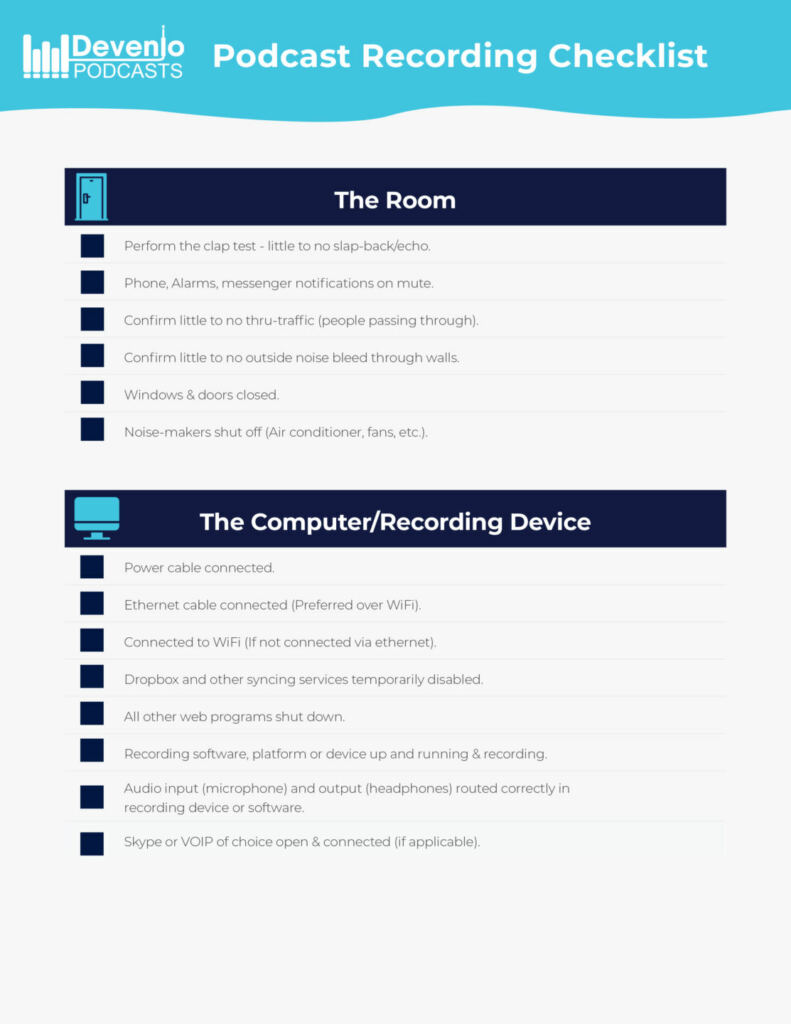
If your podcast is recorded on Riverside, Zoom, or any other virtual platform, you can easily record video alongside your audio. With one session, you now have a full-length YouTube video and a traditional audio podcast episode. One recording session produces two complete pieces of content, ready to distribute across every major platform your audience uses.
Audio goes to Apple Podcasts, Spotify, and every podcast directory through your RSS feed. Video goes to YouTube. You’ve doubled your reach without doubling your workload.
And it doesn’t stop there. That same recording becomes short-form clips for YouTube Shorts, LinkedIn posts, and social media teasers. A single 45-minute episode can realistically generate a dozen pieces of content across multiple channels, all from one recording session. For B2B brands trying to stretch a content budget, that kind of efficiency is hard to argue with.
It’s worth noting that audiences are increasingly choosing to watch. 53% of new U.S. weekly podcast listeners now prefer watching a podcast over audio-only, up from just 30% in 2022. The shift toward video is happening fast, and YouTube is where that preference is being expressed.
3. YouTube Is an SEO Powerhouse

Most podcasters think about SEO in terms of Google rankings and show notes, but YouTube is the second-largest search engine in the world, and it’s now the primary place where podcast audiences discover new shows.
When someone searches “B2B marketing podcast” or “how to build a sales pipeline” on YouTube, they get video results. If your podcast episode covers that topic and you’ve uploaded it to YouTube with a clear title, description, and tags, you show up. Audio files sitting in a podcast feed do not.
According to research from Truth Work Media, YouTube has become the primary podcast discovery channel in the U.S., which represents a fundamental shift in how audiences find audio content. Grow Wild Agency found that 84% of Gen Z listeners discover podcasts through YouTube, a stat that points to where the next generation of B2B buyers is already looking. For B2B podcasters, the implication is straightforward: if you want your show to be found by people actively searching for your topic, YouTube is no longer optional.
There’s also a Google component.
Finally, let’s address the elephant in the room—the AI search layer, which is where things get really interesting for B2B brands. According to Ahrefs’ Q1 2026 AI Search Benchmark Report, Google’s AI Overviews now appear in 21% of all keyword searches, and AI tools like ChatGPT, Perplexity, and Gemini all need sources to cite when they answer a question. It turns out YouTube is their favorite. BrightEdge research found that YouTube is cited in up to 29.5% of Google AI Overviews, making it the single most-cited domain overall. And across ChatGPT, Gemini, and Perplexity combined, AI engines cite YouTube 200 times more frequently than any other video platform.
Perhaps most compelling for anyone thinking about brand visibility: an Ahrefs analysis of 75,000 brands found that YouTube mentions were the single strongest correlating factor with AI brand visibility of any signal studied. Your podcast episode on a relevant B2B topic isn’t just a piece of content. On YouTube, it becomes a source that AI tools actively draw from when answering the questions your buyers are asking.
4. Your Hosting Platform Is Already Making It Easier
If you’ve been holding off on YouTube because it sounds like a technical lift, the hosting platform landscape in 2026 has made it much simpler than it used to be.
A growing number of podcast hosting providers have built YouTube distribution directly into their workflows, so publishing to YouTube doesn’t require a separate process:
Transistor offers YouTube auto-publishing that creates a YouTube video automatically using your audio and episode artwork when you publish a new episode. No manual uploads required. They are also currently in Beta for video hosting with a video RSS feed.
Captivate supports dual distribution, generating both a video RSS feed for platforms that support it and a standard audio feed for traditional podcast apps, all from a single upload. It also includes direct YouTube publishing from its dashboard.
RSS.com includes built-in YouTube conversion as part of its distribution tools, automatically creating YouTube-ready versions of your episodes.
Riverside, which many B2B teams already use for recording, supports one-click publishing to YouTube directly from the platform.
The barrier to entry here is lower than most podcasters realize. If you’re already using one of these platforms, or are open to switching, YouTube distribution can become a standard part of your publishing workflow with minimal additional effort.
5. B2B Credibility, Searchability, and Staying Power

There are a few additional benefits that make YouTube particularly compelling for B2B podcasters beyond the audience size and SEO upside.
Your content lasts longer. Unlike LinkedIn posts or social content that disappears from feeds within hours, YouTube videos are indexed and discoverable for years. A great episode on a relevant B2B topic continues to attract views and new subscribers long after it’s published. That’s compounding brand value.
It builds credibility on a platform your buyers trust. When a potential buyer or partner searches for content related to your industry and finds a library of thoughtful, well-produced episodes from your brand, that’s a trust signal. It demonstrates expertise and consistency in a format that B2B buyers increasingly prefer.
Comments and community. YouTube’s comment section and community features give your audience a place to respond, ask questions, and engage with your content directly. That kind of interaction is rare in traditional podcast apps, and it creates opportunities to have conversations that deepen relationships with your listeners.
Monetization options. For B2B podcasters exploring additional revenue streams, YouTube’s Partner Program opens the door to ad revenue, channel memberships, and direct viewer support, all built on top of the content you’re already producing.
So, What's the Play?
The data is clear. YouTube is where podcast audiences are spending their time, where they’re discovering new shows, and where the B2B professionals you’re trying to reach are already searching for content. Publishing your podcast on YouTube isn’t a trend to consider someday, it’s a distribution strategy that’s paying off right now for the podcasters who have already made the move.
The best part? If your show is being recorded on virtual platforms, the heavy lifting is already done. It’s a matter of getting that content into YouTube’s ecosystem and letting the platform’s search engine do the work.
If this sounds like an opportunity worth jumping on, we’d love to help you figure out where to start. Reach out and let’s talk about what this looks like for your show.